In July 2026, upon notification from the National Office for Philosophy and Social Sciences: Professor Mao Peihua, Deputy Dean of the School of Economics and Director of the Department of Political Economy at Shanghai University of Finance and Economics, serves as the chief expert for the special project for researching and interpreting the spirit of the Fourth Plenary Session of the 20th Central Committee of the Communist Party of China. Entitled Research on Strategies and Pathways for Writing a New Chapter in the Two Miracles of Rapid Economic Growth and Long-Term Social Stability, the project has been approved as a Key Project of the National Social Science Fund of China.
PART.01
Project Introduction
Writing a new chapter of the “Two Miracles” is an inevitable requirement for building China into a great modern socialist country in all respects. The “Two Miracles of rapid economic growth and long-term social stability” represent historic achievements made in China’s socialist modernization drive. The 15th Five-Year Plan period is a critical phase for consolidating the foundation for basically realizing socialist modernization and for forging ahead in all respects. It features a complex development environment with coexisting strategic opportunities, risks and challenges, together with rising uncertainties and unforeseen factors. Multiple challenges lie ahead as China strives to write a new chapter of the “Two Miracles”. Nevertheless, the leadership of the Communist Party of China, the socialist system with Chinese characteristics, and the modernization of China’s state governance system and governance capacity provide fundamental guarantees and practical conditions for renewing the “Two Miracles” in the new stage. The strategic choices and pathways involved call for in-depth research and interpretation from a higher perspective.
Centered on the theme of writing a new chapter in the “Two Miracles of rapid economic growth and long-term social stability”, this project integrates theoretical, historical and practical research dimensions. On the basis of systematically summarizing key theoretical outcomes and historical experience behind China’s attainment of the two miracles, it puts forward new connotations and visions for renewing the two miracles, and systematically designs new strategies and pathways for this purpose. Finally, by investigating the logical framework for the coordinated development of high-quality economic growth and long-term social stability, the project develops an action plan to strengthen the capacity for coordinated economic and social development, thereby forming a complete research framework for writing the new chapter of the two miracles.
PART.02
Project Principal Investigator
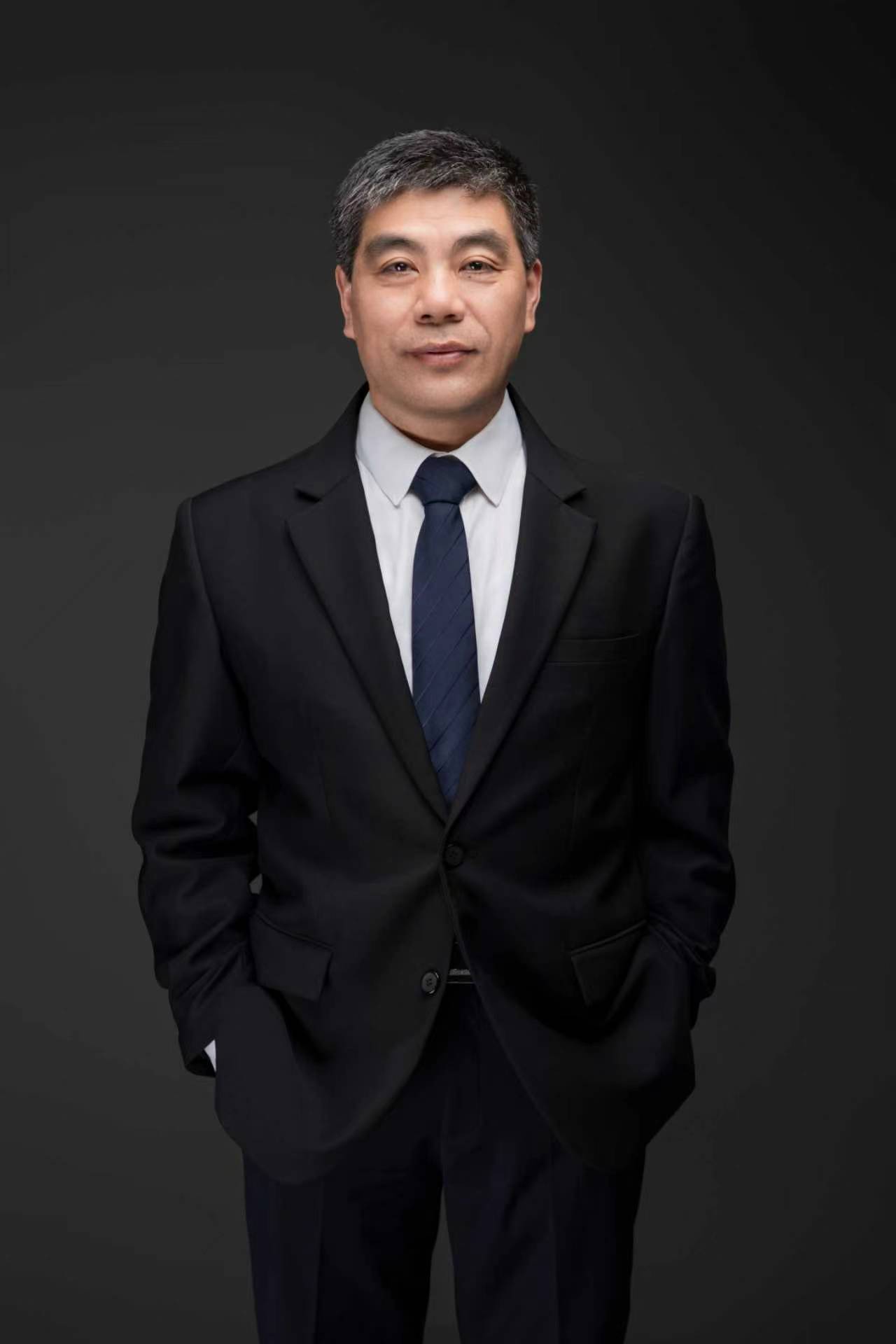
Mao Peihua is Chair Professor and Doctoral Supervisor at the School of Economics, Shanghai University of Finance and Economics. He serves as Deputy Dean of the School of Economics, Director of the Department of Political Economy, Deputy Director of the Institute for Xi Jinping Economic Thought, and Deputy Director of the Institute of Marxism. He is also an executive director of the China Association for the Study of Das Kapital, the Chinese Association for the History of Foreign Economic Thought, the Chinese Association of Political Economy, and the Chinese Society for the History of Marxist-Leninist Economic Theories. His main research areas include Xi Jinping Economic Thought, socialist political economy with Chinese characteristics, and Marxist political economy. He has published more than 60 academic papers in domestic and overseas authoritative journals including Economic Research Journal, Management World, Studies on Marxism, Guangming Daily (theoretical edition), Economic Daily (theoretical edition), and Science & Society. He has authored multiple monographs and compiled numerous policy consultation reports. His research outputs have won one Second Prize (Book and Paper Category) of the Higher Education Outstanding Scientific Research Output Awards (Humanities and Social Sciences) and three Second Prizes of provincial and ministerial outstanding achievement awards. He has successively presided over six research projects including sub-tasks for major projects, key projects and general projects of the National Social Science Fund of China, as well as provincial and ministerial projects.