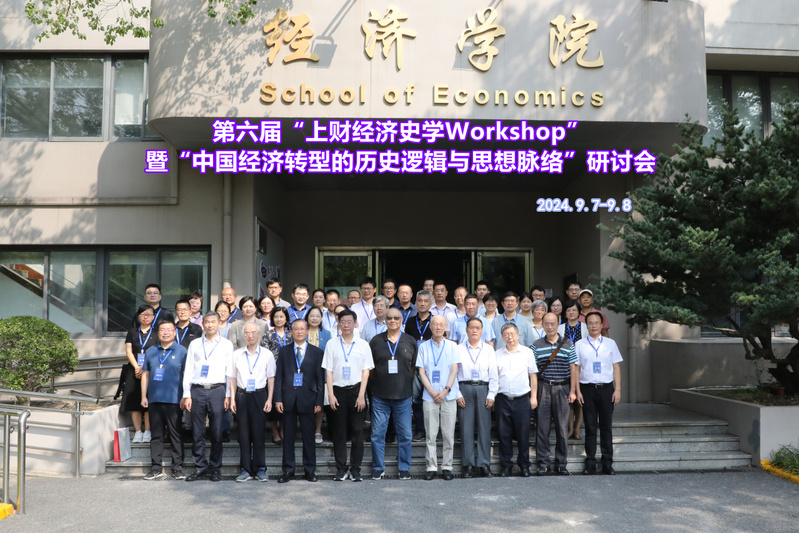
During september 7–8, the 6th SUFE Economic History workshop-Historical Logic and Ideological Context of China's Economic Transition was successfully held at Shanghai University of Finance and Economics.The workshop was sponsored by the School of Economics and the Institute for the Development of Chinese Economic Thought of SUFE, undertaken by the Department of Economic History, School of Economics, SUFE, with Studies in Chinese Economic History serving as the co-organizer. Scholars from more than 20 universities and research institutions, including Peking University, Fudan University, Renmin University of China, Nankai University, Xiamen University, Shanghai Academy of Social Sciences, Lingnan University (Hong Kong), China University of Political Science and Law, and Shanghai Normal University, attended the conference.
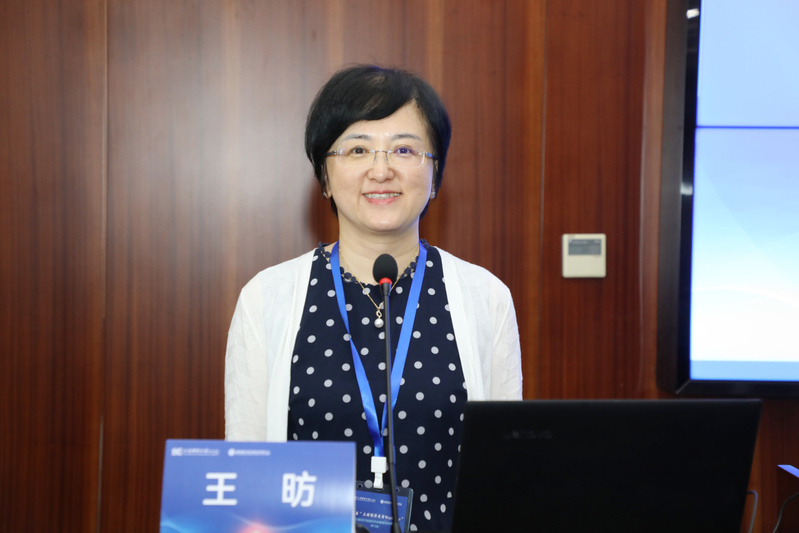
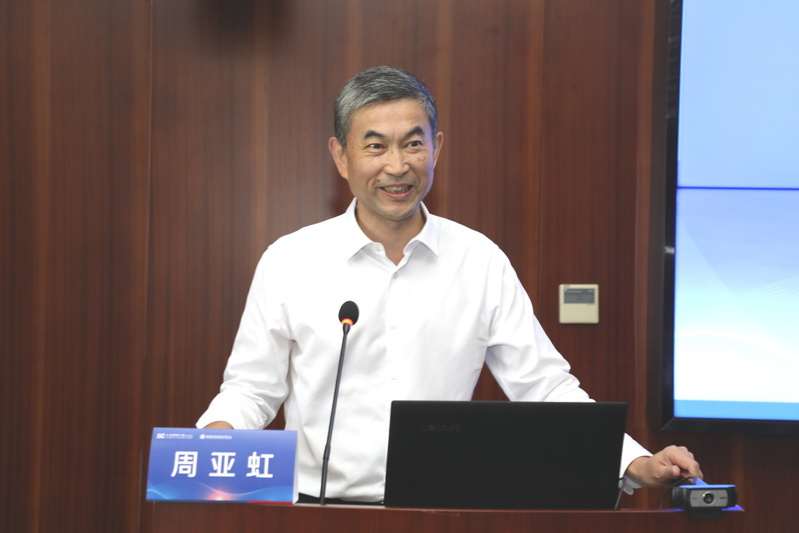
The opening ceremony was presided over by Professor Wang Fang, Vice President of the Chinese Society for the History of Economic Thought and professor at the School of Economics, SUFE. Professor Zhou Yahong, Dean of the School of Economics, SUFE; Researcher Wei Mingkong, President of the Chinese Economic History Society; Professor Cheng Lin, Dean of the Institute for the Development of Chinese Economic Thought, SUFE and President of the Chinese Society for the History of Economic Thought; and Researcher Wei Zhong, Editor-in-Chief of Studies in Chinese Economic History from the Institute of Economics, Chinese Academy of Social Sciences, delivered opening remarks in sequence.
 .
.
Professor Zhou Yahong stated that economic history and the history of economic thought, as core disciplines of the School, have made substantial contributions to the School and the university in successive rounds of disciplinary evaluation and disciplinary development. Especially in the 5th round of disciplinary assessment, economic history and the history of economic thought produced highly visible works and research outcomes. In terms of disciplinary layout, the university has established an academic platform integrating political economy and the two history disciplines, bringing them into SUFE’s Double First-Class construction team. Based on disciplinary characteristics, the School has set up a special zone for the two history disciplines and political economy to support talent recruitment, PhD admissions, faculty promotion and other work. He expressed the hope to cultivate promising young scholars for these disciplines and make greater contributions to disciplinary development of the School and the university.
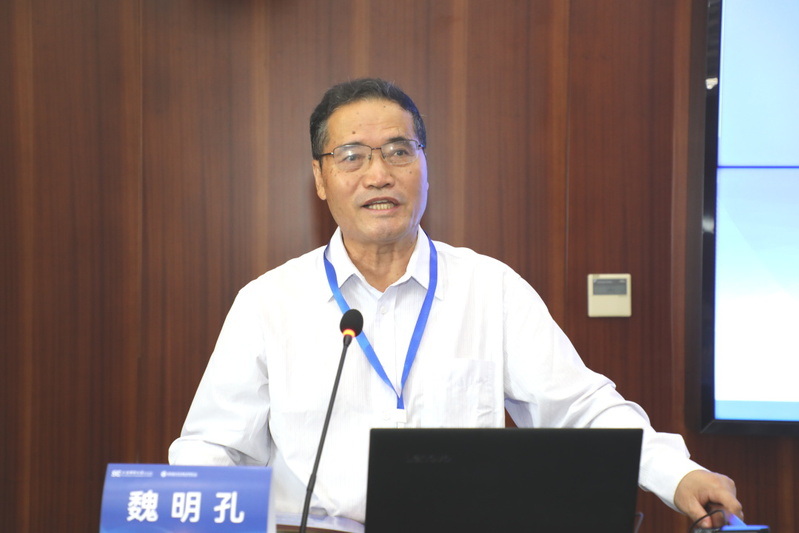
Researcher Wei Mingkong noted that the conference theme covers two secondary disciplines: economic history and the history of economic thought. The “historical logic” corresponds to economic history, while the “ideological context” refers to the history of economic thought, endowing the conference with important academic significance. Meanwhile, the theme resonates with the once-in-a-century social transformation taking place in China and the world today, carrying vital practical value. The experience of economic and social transitions in Chinese history deserves further summarization.
.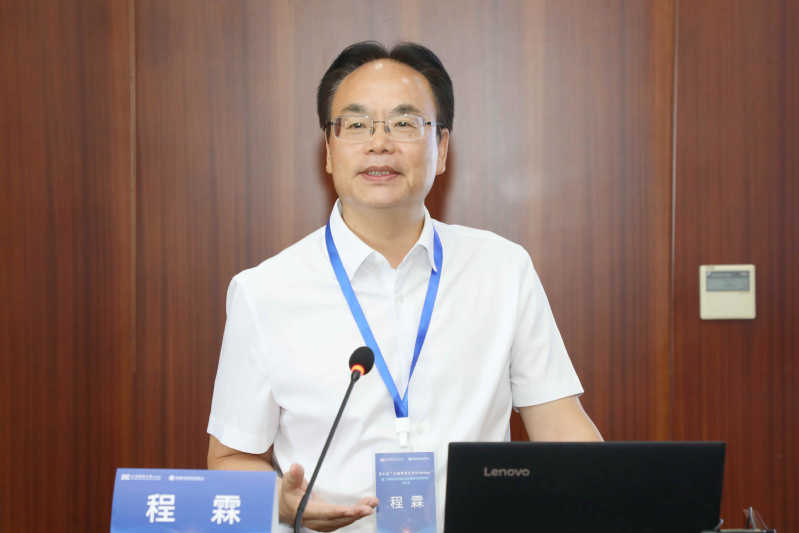
Professor Cheng Lin remarked that the SUFE Economic History Workshop constitutes a key academic brand within the series of academic events for the disciplines of economic history and the history of economic thought at SUFE. Its core mission is to facilitate in-depth exchanges and discussions on new methodologies, new perspectives and new research questions in studies of economic history and the history of economic thought. Examining the transition from tradition to modernization through the lens of economic history and the history of economic thought helps us better grasp the theoretical, historical and practical logic of this transformation. Furthermore, the innovative development of Chinese economics cannot be separated from the construction of an independent knowledge system, and economic history serves as the source and foundation for economics innovation. Therefore, theoretical innovation in economics rooted in Chinese history represents the historical path, core content and foundation for building the independent knowledge system of Chinese economics, and also constitutes the shared academic mission of researchers in the history of economic thought and Chinese economic history.
 .
.
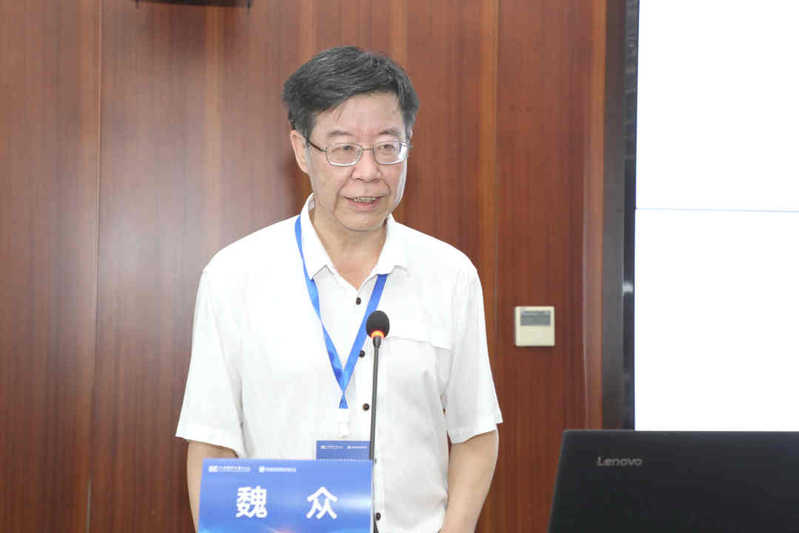
Researcher Wei Zhong mentioned that since he first participated in the 3rd SUFE Economic History Workshop, he has witnessed the collision and mutual learning between Chinese and Western ideas at every session. As an important research hub for Chinese economic thought history, the Department of Economic History at SUFE has cultivated a large cohort of scholars, enabling academic legacy to pass down from generation to generation. Recalling his communications with Professor Du Xuncheng, Wei Zhong highly praised Professor Du's rigorous attitude and respect for academia.
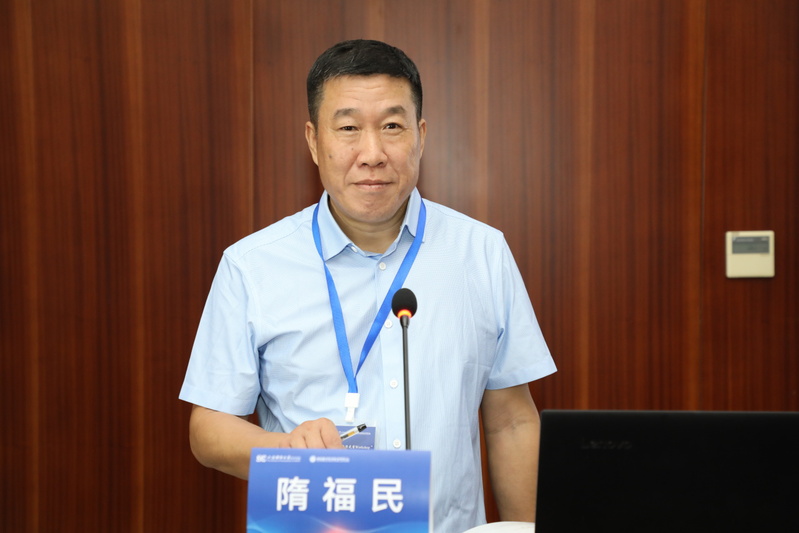
On the morning of September 7, the first session of keynote reports was chaired by Researcher Sui Fumin from the Institute of Economics, Chinese Academy of Social Sciences.
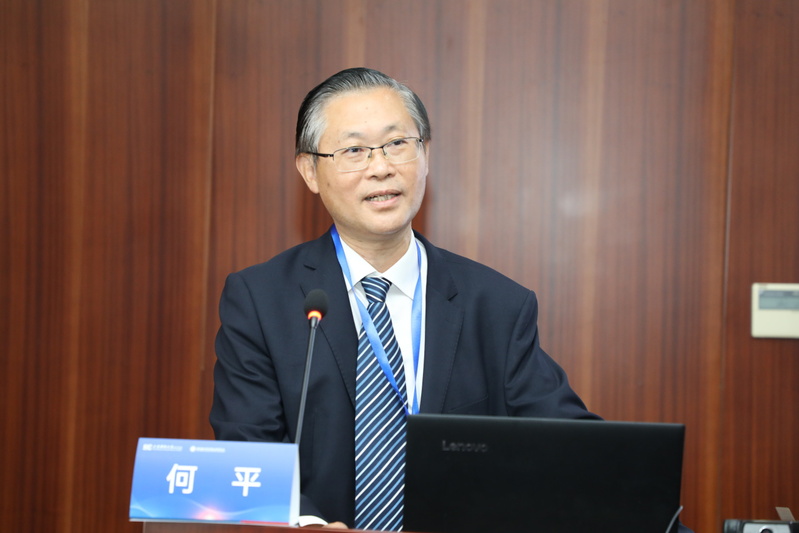
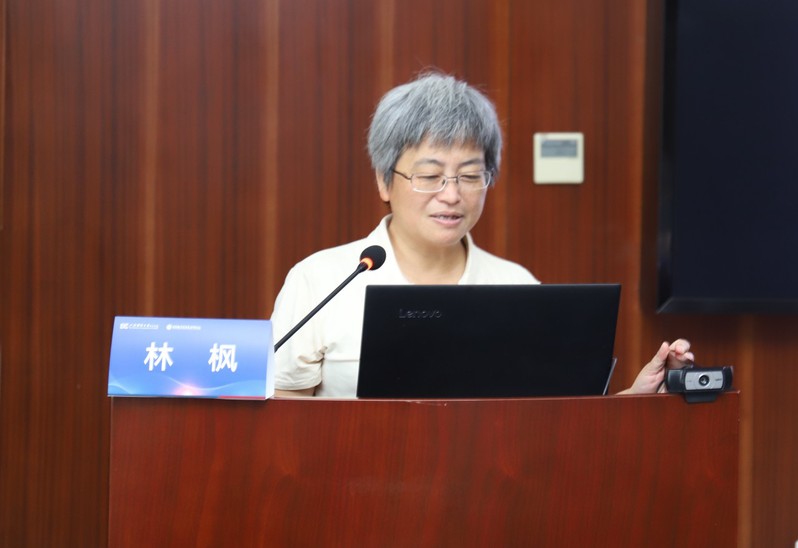
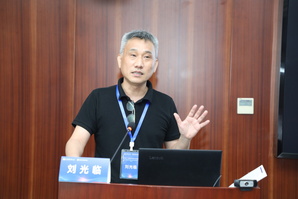
Professor He Ping from Renmin University of China, Professor Lin Feng from Xiamen University, and Professor Liu Guanglin from Lingnan University (Hong Kong) delivered keynote speeches respectively, titled The Plurality of Monetary Theory and the Nature and Future of Paper Money, Transnational Networks of Tan Kah Kee's Enterprises, and Early Modern and Traditional — Rereading Robert Hartwell and James T.C. Liu's Hypotheses on Economic and Social Transformation in the Song Dynasty.
Researcher Gao Chaoqun from the Institute of Economics, Chinese Academy of Social Sciences and Researcher He Shuijin from the Institute of Economics, Shanghai Academy of Social Sciences commented and discussed the research significance and analytical perspectives of the three papers.
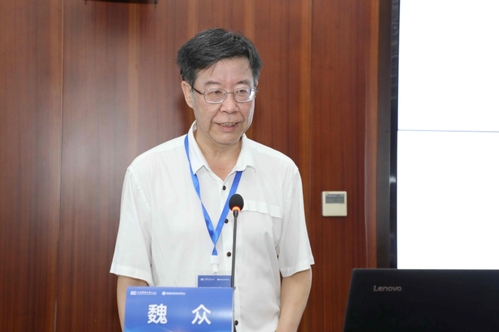
The second session of keynote reports was presided over by Researcher Wei Zhong from the Institute of Economics, Chinese Academy of Social Sciences. Professor Zou Jinwen from Zhongnan University of Economics and Law, Professor Zhou Jianbo from Peking University, and Professor Cheng Lin from SUFE delivered keynote speeches entitled The Interaction of Modern Sino-German Economic Thought, Draft Banks, Donation Collection by Proxy, Official Remittance and Fiscal Transformation in the Late Qing Dynasty, and Major Achievements and Enlightenments of Ancient Chinese Thoughts on Paper Money Management — An Investigation from an International Comparative Perspective. Researcher Wei Zhong from the Institute of Economics, Chinese Academy of Social Sciences and Researcher Zhong Xiangcai from SUFE offered insightful comments.
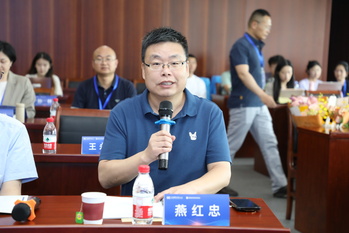
On the afternoon of September 7, the first segment of the conference featured the book launch and seminar for Professor Du Xuncheng's new book Historical Logic of China's Modern Economic Transition, hosted by Professor Yan Hongzhong, Vice Dean of the School of Economics, SUFE. Professor Liu Zhiyang, Director of the Research Office of SUFE, Huang Lei, President of SUFE Press, and Professor Du Xuncheng from the School of Economics, SUFE delivered addresses respectively.
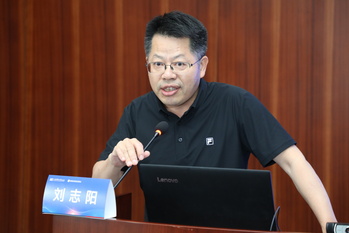
Director Liu Zhiyang stated that this book marks an important achievement from Professor Du’s long-term academic research, and a major phased outcome in the construction of the independent knowledge system. He also believed that Professor Du’s scholarly spirit and continuous academic advancement are worthy of learning by younger scholars.
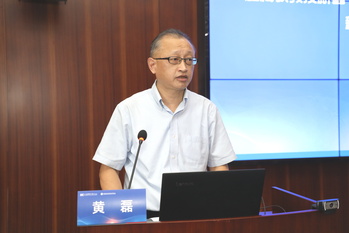
President Huang Lei commented that Professor Du’s masterpiece collects nearly 70 representative papers covering economic institutions, financial development and corporate governance. It is a concentrated display of his academic accomplishments and embodies his spirit of down-to-earth scholarship and integrating knowledge with practice. The new book carries outstanding academic and social value.
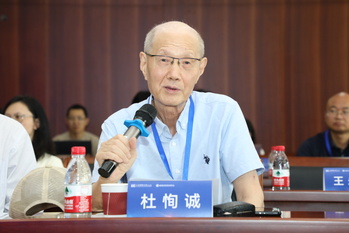
Professor Du Xuncheng reviewed his more than forty years of academic journey and shared reflections on his scholarly path. First, establish professional convictions: anyone who aims to achieve academic accomplishments must be willing to endure quiet research and sustain academic curiosity. Second, uphold lifelong learning. Many seemingly useless studies may yield great value; one should not abandon learning merely because it appears impractical. Third, attach importance to and accumulate primary source materials, maintaining a dynamic balance between theories and raw data.
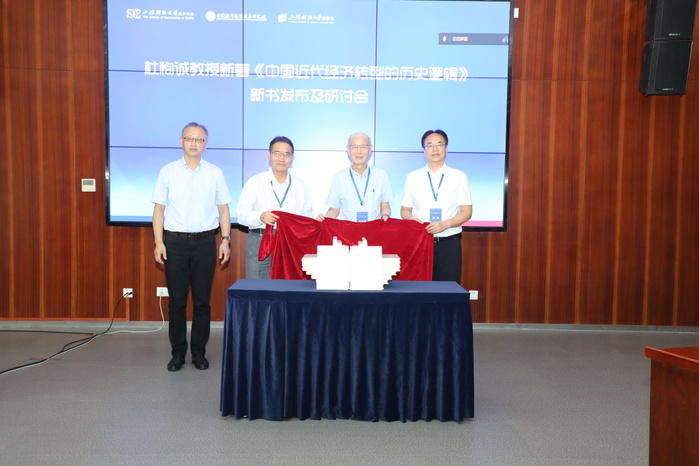
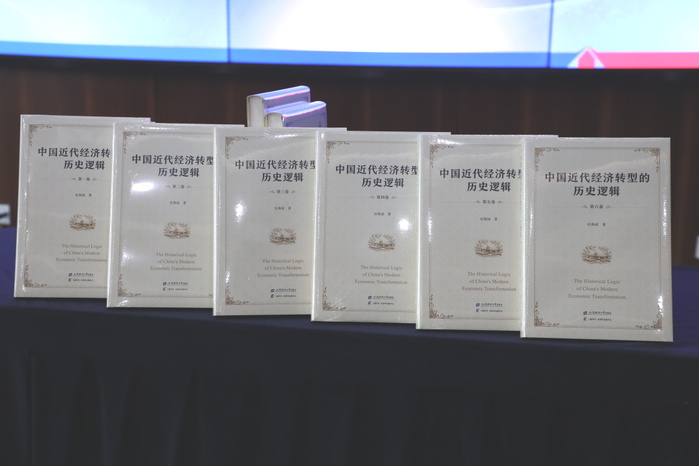
Under the chairmanship of Professor Yan Hongzhong, Professor Du Xuncheng and Researcher Wei Mingkong unveiled the new book, witnessed by President Huang Lei and Professor Cheng Lin.
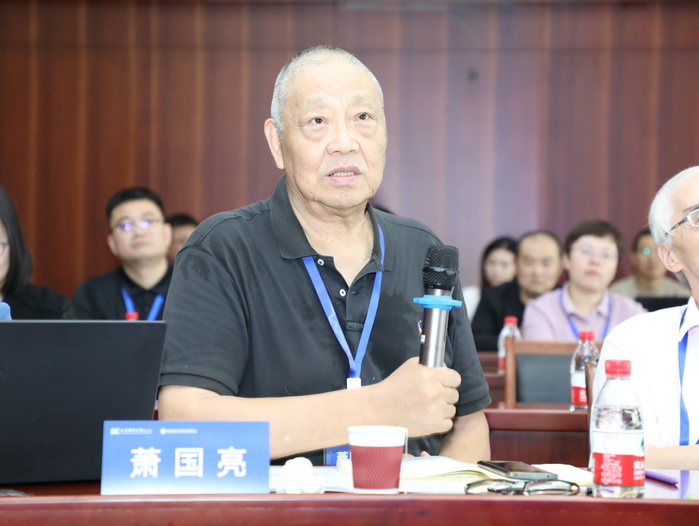
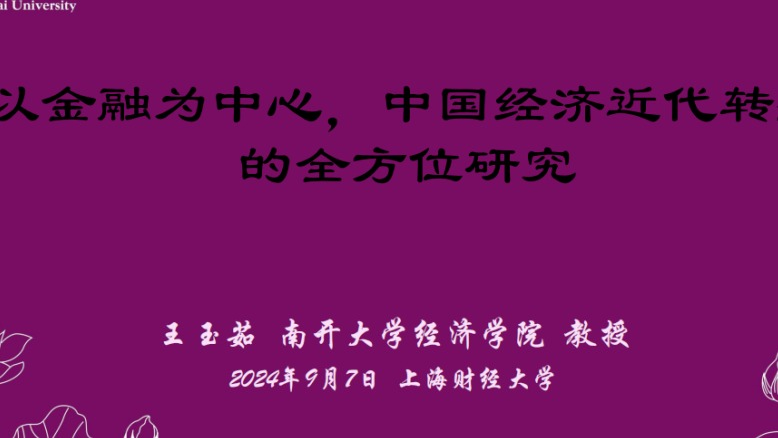
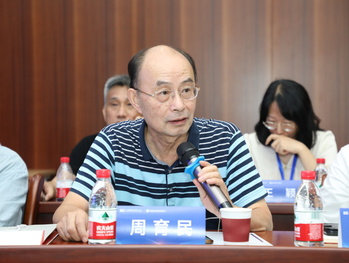
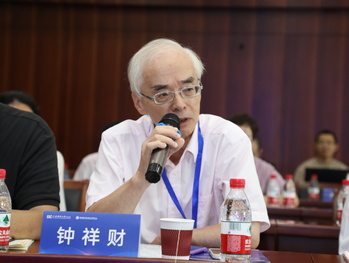
Subsequently, centering on Professor Du’s new book, Professor Xiao Guoliang from Peking University, Professor Wang Yuru from Nankai University, Professor Zhou Yumin from Shanghai Normal University, and Researcher Zhong Xiangcai from the Institute of Economics, Shanghai Academy of Social Sciences delivered keynote speeches, namely Historical Logic of China’s Modern Economic Transition from an Ethical Perspective — Reading Du Xuncheng’s Chinese Traditional Ethics and Modern Capitalism, A Comprehensive Study of China’s Modern Economic Transition Centered on Finance, Reflections on Reading Historical Logic of China’s Modern Economic Transition, and Technical Path and Philosophical Analysis: Two Directions for Economic History Research.
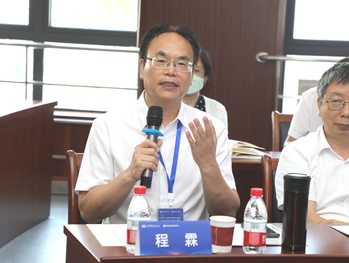
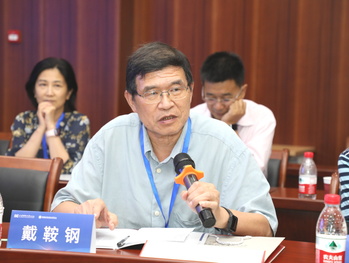
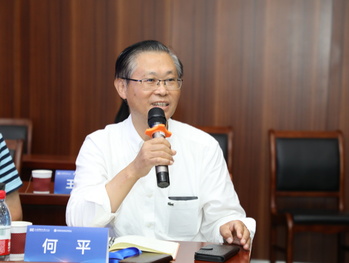
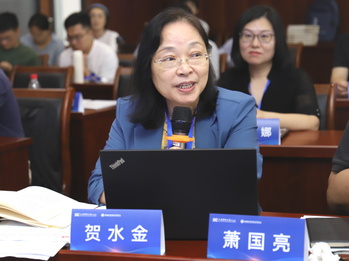
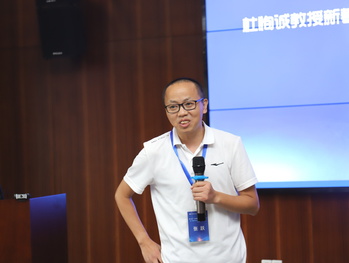
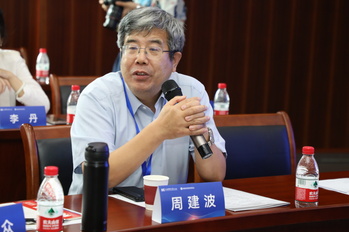
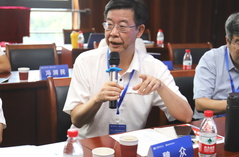
During the open discussion session, Professor Xiao Guoliang (Peking University), Researcher Wei Mingkong (Chinese Economic History Society), Professor Liu Guanglin (Lingnan University, Hong Kong), Professor Cheng Lin (SUFE), Professor Dai Angang (Fudan University), Professor He Ping (Renmin University of China), Researcher He Shuijin (Shanghai Academy of Social Sciences), Associate Researcher Zhang Yue (Ningbo University), Professor Zhou Jianbo (Peking University), Researcher Wei Zhong (Chinese Academy of Social Sciences), Associate Researcher Miao Degang (Chinese Academy of Social Sciences), among other scholars, discussed Professor Du’s works, academic achievements and scholarly demeanor.
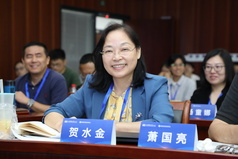
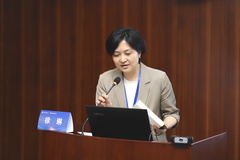
In the second segment of the afternoon session, Researcher He Shuijin from the Institute of Economics, Shanghai Academy of Social Sciences, Associate Researcher Zhang Yue from Ningbo University, and Associate Researcher Xu Lin from the Institute of Economics, Shanghai Academy of Social Sciences presented papers titled A Study on Shanghai Rice Prices in the Late Qing Dynasty (1872–1911), Ningbo Transfer Account System and the Development of Modern Money Market, and The Dissemination and Adaptation of the Gold Exchange Standard in Modern China in the Early 20th Century.Professor Du Xuncheng and Vice Dean Yan Hongzhong of SUFE provided insightful comments.
The keynote reports on the morning of September 8 revolved around the historical logic and ideological context of China’s currency, finance and national economic transition. The first session was hosted by Professor Li Dan from Fudan University.
Professor Jiao Jianhua from Xiamen University, Professor Song Peiyu from Shanghai Normal University, and Professor Yan Hongzhong from SUFE presented papers titled Household Income, Capital Accumulation and Economic Development: Evidence from Fujian Overseas Remittances, The Collapse of Britain’s Commercial System in China: An Investigation Centered on Negotiations over the Liquidation of British-owned Banks (1949–1965), and Functions and Developmental Characteristics of Modern Shanghai as an International Financial Center.Professor Li Dan from Fudan University and Associate Professor Xu Chen from Minzu University of China offered insightful comments on the three papers.
The second session was presided over by Assistant Professor Zhao Xuan from SUFE.
Associate Researcher Miao Degang from the Institute of Economics, Chinese Academy of Social Sciences, Assistant Professor Diao Wentian from SUFE, and Assistant Researcher Shen Bo from the Institute of Economics, Chinese Academy of Social Sciences delivered reports titled Issues in Using Historical Data in the Digital Age, A Political Economy Explanation for the Transformation of Traditional Financial Industry in Modern China — A Study Based on Shanxi Draft Banks, and Adjustment, Reshaping and Turn of the Debate on Righteousness and Profit in the Context of Modern China’s Economic Transition.Professor Wang Fang from SUFE and Professor Xiong Jinwu from China University of Political Science and Law provided insightful comments.
At the closing ceremony, Researcher Gao Chaoqun from the Institute of Economics, Chinese Academy of Social Sciences expressed gratitude to all participants. He noted that this well-prepared international conference featured the integration of economic history and the history of economic thought, bearing great significance.
In his concluding remarks, Professor Yan Hongzhong, Vice Dean of the School of Economics, SUFE, first summarized the characteristics of this seminar: a broad vision paired with focused research questions, multi-angle and multi-dimensional discussions, and a gathering of scholars across generations. Centered on the conference theme, experts put forward many innovative viewpoints on China’s economic transition. He also mentioned that as the new semester just began, this academic seminar undoubtedly served as a highly meaningful orientation education for new students. Finally, Professor Yan extended sincere thanks to participating scholars, academic journals, media, as well as faculty and student volunteers of the conference organizing committee.